Gunung Kawi is an 11th-century temple and funerary complex in a river valley near Tampaksiring. Its ten rock-cut shrines, or candi, are carved into sheltered niches about 7 meters high on both sides of the Pakerisan River. It forms part of the Pakerisan watershed within UNESCO's Cultural Landscape of Bali Province and is among the oldest monuments on the island.
The shrines are thought to commemorate King Anak Wungsu of the Udayana dynasty and his favorite queens. They are not tombs but memorials carved in the form of temple facades, sculpted directly from the cliff. The valley around them still supports rice terraces fed by the river, part of the landscape UNESCO recognized for its subak irrigation.
A long stairway leads down through rice terraces into the gorge. At the bottom, the river runs between the two groups of shrines, which loom from the cliffs, softened by moss and ferns. The sound of water and the scale of the carvings make it feel remote, though it is only a short drive from Tirta Empul. The climb back up is steep.
Highlights
- Ten candi carved into the cliffs
- Stairway through rice terraces
- Pakerisan River gorge
- Part of a UNESCO cultural landscape
Good to know
- Pair it with Tirta Empul, which is a few minutes' drive away.
- Go early in the morning, when the gorge is cool and the light reaches the shrines.
- Bring water for the climb back up the stairs.
On the map
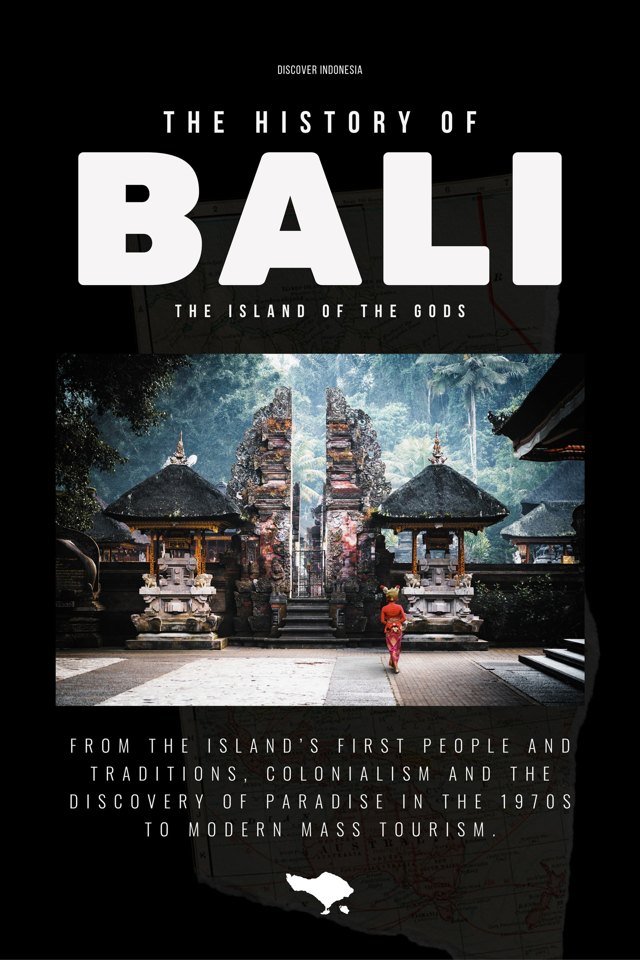
The History of Bali
From the first kingdoms and the arrival of Majapahit to colonial conquest, the puputan and the island's modern reinvention.